Modernizing Workforce Management: The Transformative Power of HCM Solutions
The complexities of managing today’s workforce demand modern approaches that go beyond traditional HR tools. Organizations now look to Human Capital Management (HCM) solutions to overcome administrative hurdles, ensure regulatory compliance, and build a more engaged, productive team.
Also Read: TI Full Form in Technology and Electronics and Other Fields 2025
As these systems evolve, businesses can create smoother, more effective HR workflows that benefit both the organization and its people. For those starting this journey, a comprehensive HCM software overview; choosing HCM software can provide crucial insights into what features to prioritize and how HCM platforms can reshape operations.
By integrating essential HR functions under a single umbrella, HCM solutions boost efficiency, reduce manual errors, and support strategic planning. Beyond administration, these platforms help build a workforce equipped for future challenges, ensuring the business remains agile and competitive.
This article explores the core features and tangible benefits of implementing HCM solutions. You’ll also discover real industry examples and guidance for organizations aiming to get the most value from their investment in workforce technology.
As the future of HR continues to be shaped by digital innovation, understanding the transformative power of HCM systems has never been more relevant.
What Are HCM Solutions?
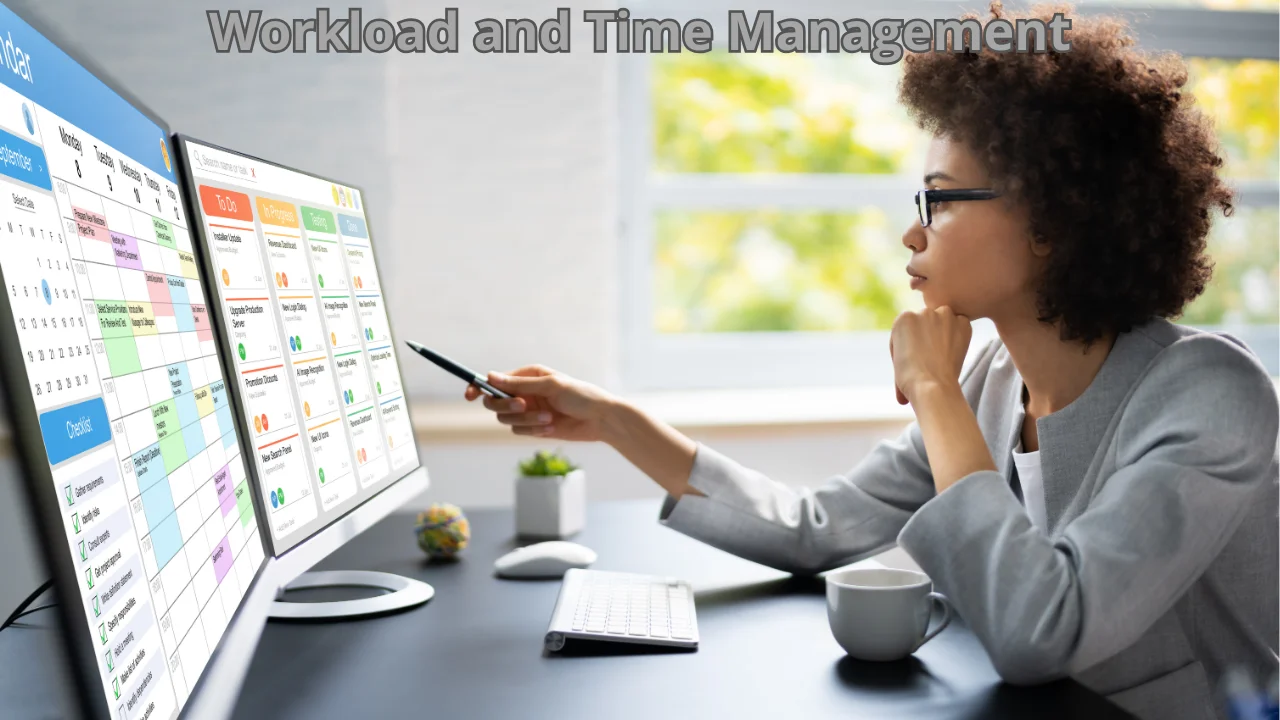
HCM solutions are integrated platforms designed to support the full spectrum of human resource functions. From talent acquisition and onboarding to payroll, time management, and employee development, these systems serve as the digital backbone for HR departments. By consolidating all these tasks into a single, cloud-based interface, HCM systems empower HR teams to work more collaboratively and efficiently, reducing administrative burdens and improving data access for decision-making.
Automation is central to the value of HCM platforms. Scheduling, leave tracking, and benefits administration can be managed with minimal manual input, freeing up HR professionals to focus on strategic initiatives like employee engagement, diversity efforts, and organizational culture.
An emerging trend in HCM is the integration of artificial intelligence and machine learning to further enhance HR decision-making. These intelligent systems can predict employee attrition, identify skill gaps, and recommend targeted development programs, elevating HR’s strategic impact. Integration with third-party tools, such as collaboration suites and communication apps, also leads to more seamless workflows. Moreover, mobile functionality has become increasingly critical, as both HR administrators and employees expect convenient, anytime access to key HR features regardless of location. This flexibility supports remote and global teams while maintaining business continuity.
As organizations place greater emphasis on employee wellness and work-life balance, modern HCM solutions often include modules for well-being tracking, mental health resources, and flexible scheduling. These features foster a culture that attracts and retains talent, as employees increasingly expect supportive and adaptable workplaces.

Benefits of Implementing HCM Solutions
- Efficiency: Streamlined processes and automation reduce administrative workload, enabling staff to spend more time on high-impact projects.
- Compliance: Integrated regulatory tools keep organizations in line with changing labor laws, helping avoid costly fines or penalties.
- Data-Driven Decisions: Robust analytics provide real-time workforce insights, enabling leaders to make evidence-based decisions on hiring, compensation, and development.
- Employee Satisfaction: Self-service portals, clear communication flows, and easier access to information enhance employees’ day-to-day experiences and satisfaction levels.
Real-World Examples of HCM Implementation
Numerous organizations have demonstrated extraordinary results with HCM solutions:
- U.S. Office of Personnel Management (OPM): By consolidating over 100 distinct HR systems into one platform with Oracle, OPM expects to cut costs by more than 90 percent. This move is projected to dramatically improve efficiency and service for over two million federal employees, setting a new benchmark for large-scale workforce modernization.
- ADP’s Global Workforce Management Suite: Integrating global workforce management with payroll and HCM tools enables companies to efficiently manage staff across 140+ countries. By simplifying compliance and enabling end-to-end automation, organizations can better navigate the complexities of cross-border operations.
- UKG’s Rapid Hire and Dynamic Labor Management: UKG has introduced solutions that empower organizations to respond in real time to labor needs, dramatically accelerating hiring processes and optimizing staffing levels to handle fluctuating demand.
Key Features to Look for in an HCM Solution
Not all HCM platforms are created equal. When evaluating your options, look for features that promote long-term value and ensure the solution will continue to meet your needs as you grow:
- Scalability: Choose a platform that can adapt as your organization expands or changes.
- Integration: Seamless compatibility with finance, IT, and legacy HR systems reduces disruption and improves data accuracy.
- User-Friendly Interface: Clear, intuitive design boosts adoption rates and lowers the learning curve for HR staff and employees alike.
- Compliance Management: Built-in compliance tools reduce the risk of regulatory violations and keep your policies up to date.
In addition, select vendors now offer advanced workforce analytics dashboards and customizable reporting capabilities, enabling leaders to visualize trends and track KPIs aligned with their unique operational goals. Customizable workflows are also valuable, as they enable HR teams to adapt processes to evolving organizational needs without significant IT involvement. Security features are another essential consideration. Ensure the HCM solution supports robust encryption, access controls, and compliance with data privacy regulations such as GDPR to protect sensitive employee information.
Challenges in Implementing HCM Solutions
Despite the benefits, organizations often face challenges when rolling out a new HCM platform. Common obstacles include:
- Resistance to Change: Transitioning to a new system may cause uncertainty, making training and communication critical for user acceptance.
- Data Migration: Moving current employee and payroll data into a new platform can be complex and time-consuming. Careful planning and phased migration are recommended to minimize risks.
- Cost: While the initial investment in HCM technology can be significant, the long-term ROI usually justifies this spend by delivering savings through automation, compliance, and improved productivity.
To ensure a smooth transition, organizations should build strong change management strategies that include ongoing training, clear communication, and support for users at all levels. It can also be beneficial to designate HCM champions within departments to encourage adoption and address concerns as they arise.
Conclusion
Modernizing workforce management with HCM solutions is proving transformative for organizations of all sizes and industries. By streamlining processes, boosting compliance, and supporting workforce engagement, HCM platforms enable businesses to move beyond administrative hurdles and focus on strategic HR initiatives. With careful selection and thoughtful implementation, organizations can set themselves up for long-term success in an increasingly complex business landscape