The Role of Fun and Play in a Healthy Workplace
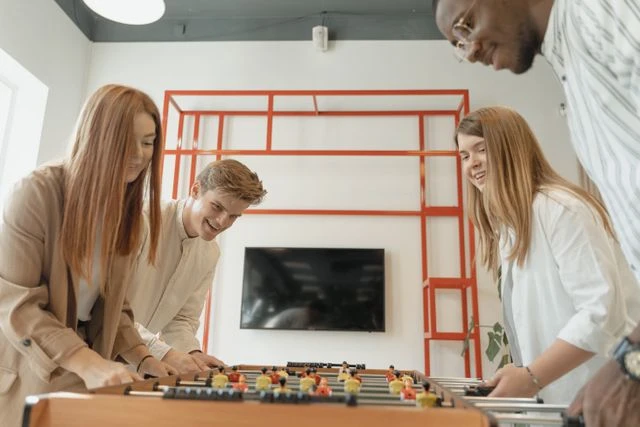
The idea that work and fun are opposites is deeply ingrained, yet it is largely mistaken. Far from being a distraction from serious work, fun and play have a powerful role in building healthy, high performing teams. Workplaces that make room for enjoyment tend to have better relationships, higher morale, and more creative, resilient people. This does not mean turning the office into a playground, but it does mean recognising that enjoyment is not the enemy of productivity.
Also Read: 7 Questions to Ask Before Working With a Tradeline Vendor
corporate training and development company often sees how a little fun transforms the atmosphere and performance of a team. This article explores the surprising value of play at work.
Why Fun Is Not Frivolous
There is a persistent belief that a serious workplace is a productive one, and that fun somehow undermines focus. In reality, the opposite is often true. Enjoyment reduces stress, strengthens relationships, and boosts the positive emotions that fuel creativity and engagement. People who enjoy their work and the company of their colleagues are more motivated, more collaborative, and more likely to stay. Far from being frivolous, fun is a serious contributor to the health and performance of a team, and dismissing it means missing out on real benefits.
Fun Builds Stronger Relationships
Shared enjoyment is one of the fastest ways to build bonds between people. When colleagues laugh together, play together, or simply share a lighthearted moment, they connect in a way that formal work rarely allows. These moments of fun create warmth and goodwill that carry back into everyday collaboration. A team that enjoys each other’s company communicates more openly, supports one another more readily, and handles pressure more easily. Fun, in this sense, is not a break from teamwork but one of the ways teamwork is built.
Play Sparks Creativity
There is a deep link between play and creativity. When people are relaxed and having fun, their thinking becomes more flexible, open, and imaginative. The pressure and self consciousness that stifle creative ideas fall away in a playful atmosphere. This is why so many creative breakthroughs happen when people are relaxed rather than straining at their desks. Building room for playfulness into a team’s culture, whether through humour, experimentation, or lighthearted activities, creates the mental conditions in which fresh ideas are far more likely to emerge.
Make Room for Shared Enjoyment
Creating opportunities for shared fun is one of the most effective ways to build a healthy team. When enjoyment is built into the life of a team, rather than left to chance, its benefits multiply. professional team building sessions give teams a structured way to have fun together, combining enjoyment with the connection and collaboration that strengthen a group. These experiences show people that their workplace values their enjoyment and gives them shared moments to look back on. A team that plays together tends to work together better, because the bonds formed in lighthearted moments make everyday collaboration smoother and more resilient.
Fun Improves Wellbeing and Reduces Stress
Work can be demanding, and stress takes a real toll on people’s wellbeing and performance. Fun is a natural antidote. Moments of enjoyment and laughter relieve tension, lift mood, and help people recharge. A workplace that allows for fun is one where people can decompress and return to their work with renewed energy. Over time, this contributes to better mental health, lower burnout, and a more sustainable pace. Far from being a luxury, fun is part of what keeps a team healthy enough to perform well over the long term.
Balance Fun With Focus
None of this means that work should become all play. The goal is balance, a workplace that takes its work seriously while still making room for enjoyment. Too much focus with no relief leads to burnout and disengagement, while too much play with no focus undermines results. The healthiest teams find a rhythm that combines hard, focused work with genuine enjoyment. When people know when to concentrate and when to have fun, they get the best of both, producing strong results while remaining happy and engaged.
A Culture That Makes Room for Joy
Building fun into a team’s culture is not about grand gestures or forced activities but about creating an environment where enjoyment is welcome. When people feel free to share a laugh, enjoy a lighthearted moment, and take genuine pleasure in their work and their colleagues, the whole atmosphere of a team shifts for the better.
This kind of culture does not undermine serious work; it supports it. People who enjoy where they work bring more energy, creativity, and commitment to what they do. They stay longer, collaborate better, and handle pressure more easily. Making room for joy is therefore not a distraction from performance but one of its quiet foundations, and it is something any team can cultivate with a little intention and openness.
Frequently Asked Questions
Does having fun at work really improve performance?
Yes. Fun reduces stress, strengthens relationships, boosts creativity, and lifts morale, all of which support better performance. People who enjoy their work and their colleagues are more engaged, more collaborative, and more likely to stay. Far from undermining productivity, enjoyment contributes to it in meaningful ways.
How can I add more fun without losing focus?
The key is balance. Make room for enjoyment through humour, shared activities, and lighthearted moments, while still taking the work itself seriously. The healthiest teams combine focused effort with genuine fun, knowing when to concentrate and when to relax. Fun complements focus rather than replacing it.
What if some people do not enjoy the same activities?
People enjoy different things, so variety and inclusivity matter. Rather than forcing one type of fun on everyone, offer a range of experiences and let people participate in ways they are comfortable with. The goal is shared enjoyment that includes everyone, not activities that some find uncomfortable or alienating.
Is fun at work just a passing trend?
No. The benefits of fun, including stronger relationships, better wellbeing, and increased creativity, are well founded and lasting. While specific activities may come and go, the underlying value of enjoyment in building healthy, effective teams is a genuine and enduring principle rather than a fad.