
How Much Does Company Liquidation Cost in UAE?
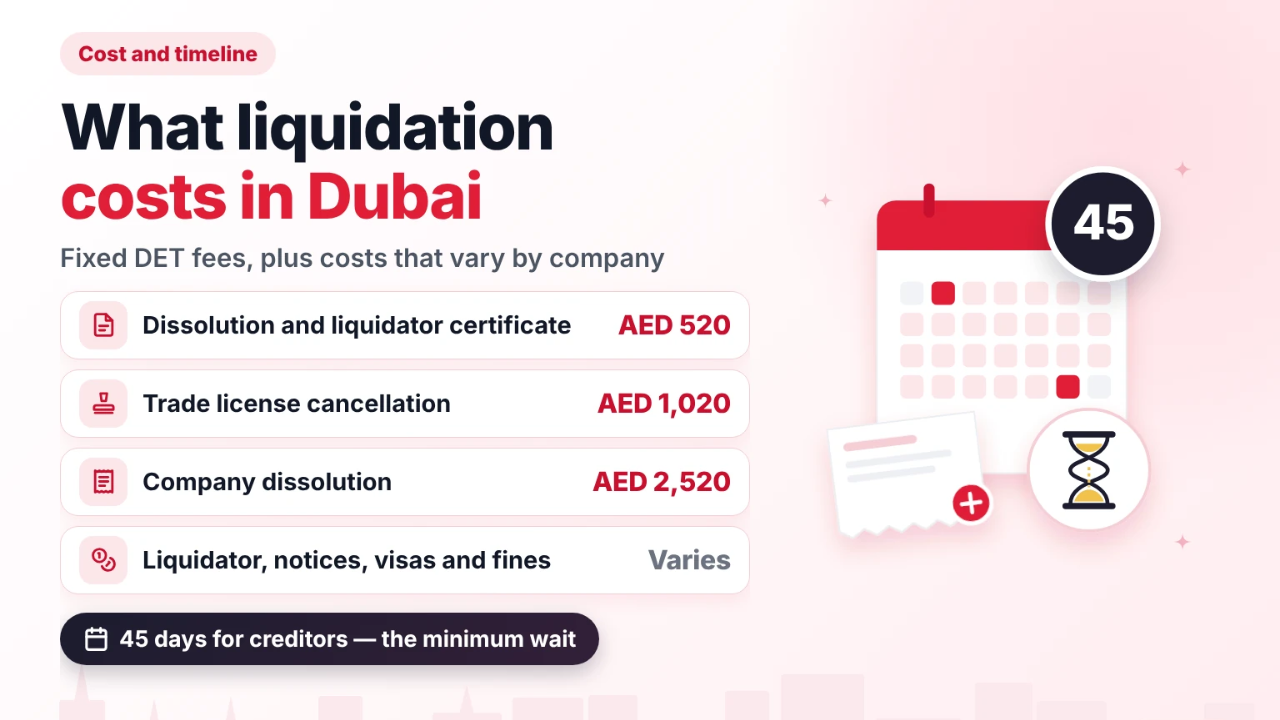
Closing a company in the UAE involves more than simply cancelling its trade licence. Business owners must complete several administrative and legal procedures before a company can officially cease operations. These may include obtaining approvals, settling outstanding liabilities, preparing financial statements, appointing a liquidator and cancelling employee visas.
One of the first questions business owners ask is how much company liquidation costs in the UAE. The answer depends on the company’s legal structure, licensing authority, outstanding obligations and the complexity of its financial position. 7 Questions to Ask Before Working Understanding the costs in advance helps business owners plan the closure properly, avoid unexpected expenses and complete the process without unnecessary delays.
For businesses planning to close their operations, professional guidance from hagroup can help clarify the required procedures, expected expenses and documentation before starting the liquidation process.
Understanding Company Liquidation Costs in the UAE
There is no single fixed price for company liquidation across the UAE. Each licensing authority follows its own procedures and fee structure. A mainland limited liability company (LLC), for example, may have different requirements from a business registered in a free zone.
The total cost generally includes government cancellation charges, liquidator fees, newspaper advertisements, visa cancellations, professional service charges and any outstanding company liabilities.
Business owners should therefore request a cost breakdown based on their company type rather than relying on a general liquidation estimate.
1. Trade Licence Cancellation Fees
One of the main expenses involved in company liquidation is cancelling the existing trade licence.
Every business registered in the UAE must follow the applicable cancellation procedure through its licensing authority. Depending on the company’s location, this may involve the Department of Economy and Tourism, another emirate’s economic department or a free zone authority.
The cancellation fee can vary depending on:
- The emirate or free zone where the company is registered.
- The company’s legal structure.
- The number of licences or activities involved.
- Any outstanding government charges.
- Additional approvals required before cancellation.
For example, some licensing authorities charge separate fees for dissolution, liquidator appointment and final licence cancellation. These amounts should be checked directly with the relevant authority.
2. Liquidator Appointment and Professional Fees
Certain company structures, particularly LLCs and other commercial companies, require the appointment of an approved liquidator.
A liquidator is responsible for reviewing the company’s financial position, identifying outstanding liabilities, managing the liquidation process and preparing the final liquidation report.
The professional fee depends on the work involved.
Factors that can influence the cost include:
- The company’s size and business activities.
- The number of financial transactions.
- Whether the accounting records are complete.
- The number of outstanding debts.
- The complexity of the company’s assets and liabilities.
- Whether additional financial investigations are necessary.
A company with organised accounts and no outstanding obligations may require less work than a business with multiple creditors, unresolved transactions or incomplete financial records.
It is important to obtain a written quotation explaining what the liquidator’s services include.
3. Newspaper Advertisement Costs
For certain mainland company liquidation procedures, publishing a liquidation notice in local newspapers is a required step.
The purpose of this announcement is to inform creditors and other interested parties that the company is being liquidated. It gives them an opportunity to submit any outstanding claims within the specified objection period.
The advertisement cost depends on the publication, language, format and applicable requirements.
Business owners should confirm the following before arranging publication:
- Which newspapers are accepted by the licensing authority.
- Whether Arabic and English advertisements are required.
- How long the advertisement must remain published.
- The applicable creditor objection period.
- Whether the advertisement fee is included in the liquidation service quotation.
For many mainland commercial companies in Dubai, the process includes a 45-day period for creditors to submit claims.
Free zone companies may follow different advertising requirements, so it is important to check the relevant authority’s procedures.
4. Employee and Investor Visa Cancellation
If a company sponsors employees or investors, their visas and related immigration records must be addressed before the company can complete its closure.
Visa cancellation can create additional expenses, particularly when the business has several employees or sponsored family members.
The associated costs may include:
- Employee visa cancellation charges.
- Investor or partner visa cancellation charges.
- Work permit cancellation fees.
- Establishment card cancellation.
- Outstanding immigration fines, if applicable.
Employers must also settle outstanding employee entitlements, including salaries and other contractual obligations, before completing the closure.
The exact charges depend on the visa category and relevant government services.
5. Outstanding Taxes and Financial Obligations
Another important part of the company liquidation budget is settling financial and regulatory obligations.
Closing a trade licence does not automatically remove a company’s tax responsibilities. Businesses registered for VAT or Corporate Tax may have additional filing and deregistration requirements.
Before starting liquidation, business owners should review:
VAT obligations: Companies registered for VAT may need to submit outstanding returns, settle unpaid VAT and apply for VAT deregistration where applicable.
Corporate Tax obligations: Businesses must review their Corporate Tax filing responsibilities and settle any outstanding tax liabilities.
Accounting records: Financial statements, invoices, bank records and supporting documents should be organised for the final review.
Outstanding debts: Payments owed to suppliers, landlords, banks and other creditors must be addressed.
Any unpaid penalties, government fees or contractual liabilities can increase the overall cost of closing a business.
6. Free Zone Company Liquidation Costs
Free zone companies have their own liquidation procedures and fee schedules. The total cost depends on the specific authority where the business is registered.
Some free zones require a shareholder resolution, appointment of a liquidator, clearance certificates and submission of a final liquidation report.
For example, Jebel Ali Free Zone (JAFZA) publishes the following fees for certain company termination procedures:
| Cost component | Published fee |
| FZE/FZCO deregistration | AED 5,000 |
| Newspaper advertisement | AED 1,500 |
| VAT on advertisement | 5% |
These are specific JAFZA charges, not standard fees for every UAE free zone. Other authorities may have different requirements and prices.
Businesses should also check whether outstanding licence renewals, penalties, office rental charges or other payments must be settled before liquidation.
7. Mainland vs Free Zone Liquidation: What Affects the Cost?
The main difference between mainland and free zone liquidation is the licensing authority and the procedures involved.
| Factor | Mainland company | Free zone company |
| Licensing authority | Relevant economic department | Free zone authority |
| Liquidator | Required for applicable company structures | Depends on authority and structure |
| Advertisement | May be required | Depends on free zone |
| Visa cancellation | Required where applicable | Required where applicable |
| Final approval | Relevant government authority | Relevant free zone authority |
Neither option is automatically cheaper. A business with several employees, outstanding liabilities or incomplete financial records may face higher closure expenses regardless of where it is registered.
8. How Can Businesses Reduce Company Liquidation Costs?
Although some expenses are unavoidable, business owners can take practical steps to prevent unnecessary costs.
Prepare financial records early
Organise bank statements, invoices, accounting records and financial statements before starting the liquidation process. Missing documents can create additional professional work.
Clear outstanding payments
Settle employee salaries, supplier invoices, rental obligations and government fees wherever required. Unresolved liabilities can delay the process and increase expenses.
Cancel visas on time
Review all employee and investor visas before submitting the final cancellation application. Delays may result in additional charges or complications.
Check licence expiry dates
Avoid allowing a business licence to remain active unnecessarily while preparing for closure. Late renewals and accumulated penalties can increase the total cost.
Request a detailed quotation
Ask the service provider to separate government fees, liquidator charges, advertisement expenses and professional service fees. This makes it easier to understand the actual cost.
9. How Long Does Company Liquidation Take in the UAE?
The liquidation timeline depends on the company’s legal structure, licensing authority and outstanding obligations.
For some mainland commercial companies, the creditor notification period alone can take 45 days. Additional time may be needed for preparing documents, obtaining clearances, cancelling visas and receiving final approval.
Free zone companies may have different processing timelines depending on their internal procedures.
A straightforward company closure with organised records and no outstanding liabilities is generally easier to complete than a complicated liquidation involving creditors, employees or unresolved financial matters.
Business owners should avoid assuming that licence cancellation can be completed immediately after submitting an application.
For the official requirements, consult the UAE Government’s company closure guidance.
Conclusion
Company liquidation costs in the UAE depend on several factors, including the company’s legal structure, licensing authority, liquidator requirements, employee visas and outstanding financial obligations.
There is no universal liquidation fee that applies to every business. Some companies may only require basic cancellation procedures, while others need additional professional services, creditor notifications and financial clearances.
The best approach is to review all obligations before beginning the process and obtain a detailed cost estimate. Proper preparation can help businesses avoid unnecessary expenses, reduce delays and complete their company closure in an organised manner.